What is cataracts?
- Part of the eye
- Lens
- Group
- Common conditions
- Vision functions involved
- Light and glare, Contrast and detail, Focus
- Main source
- NHS
A cataract forms when the lens inside the eye becomes cloudy. Cataracts usually develop slowly with age and can affect the two eyes differently.
Optometrist
An eye-care professional who tests sight, checks eye health and can refer you for specialist care.
How cataracts can affect day-to-day life
You may recognise some of these situations, or none of them. The point is to find help with the things you want to do.
Reading letters and labels
Small print can become hazy, even in familiar glasses.
Try larger print and a lamp aimed at the page. Ask an optometrist whether your glasses need updating.
Light and travel
Sunlight and headlights dazzle you, and seeing at night gets harder.
Describe these difficulties at your appointment. Ask your optometrist about glare and whether your sight meets driving requirements.
Finding things at home
A pale switch on a pale wall or a cup against a similar background can be difficult to pick out.
Use a plain, contrasting background and clear markings on frequently used controls.
Changes you may notice
- Blur, faded colours, or trouble reading and seeing at night.
- Headlights and bright sunlight feel uncomfortable, often with halos around lights.
Everyone is different. Symptoms on their own cannot identify a condition.
What to do about a new or sudden changeAssessment and care
An optometrist checks your eyes and can refer you to a hospital eye service. Surgery replaces the cloudy lens with an artificial one. Whether to go ahead depends on how much the cataract affects your life and on the expected benefits and risks.
How vision is affected
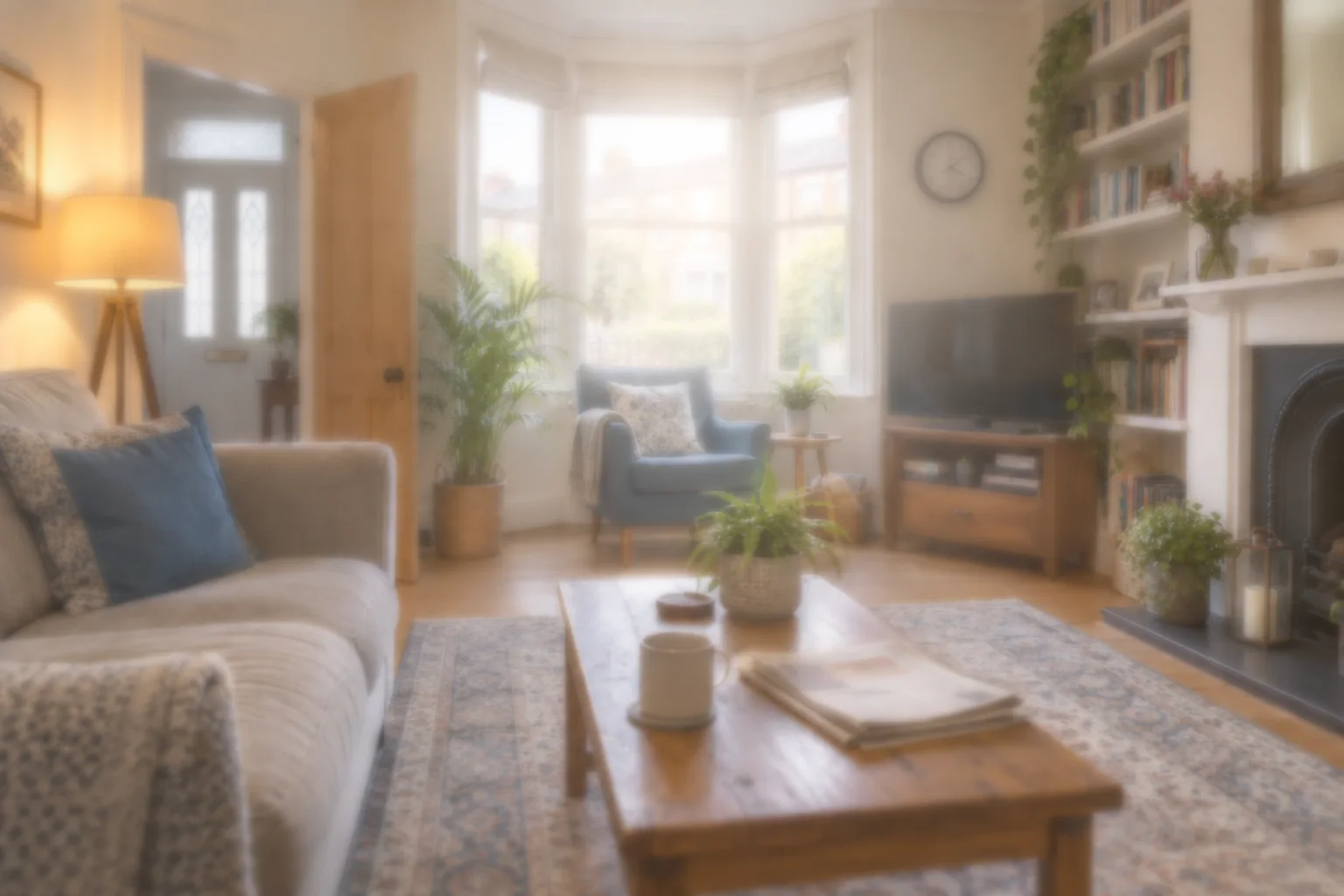
Illustration hidden. A clock, a book spine or a label gets harder to make out when detail and contrast drop. This picture combines two ideas relevant to cataracts.
These topics explain the parts of vision involved. They do not predict your sight, diagnose anything or show the condition itself.
Light and glare
Glare can be uncomfortable and can wash out detail. Where the light comes from matters as much as how much light there is.
Open the light and glare labContrast and detail
Sharp edges only help when they stand out from the background. Contrast, print size and blur each change how easy a task is.
Open the contrast and detail labFocus
The cornea and lens focus light onto the retina. A focusing problem is different from damage to the light-sensitive cells or the optic nerve.
Open the focus labEveryday support
Describe the specific things you struggle with: reading medicine labels, cooking, recognising faces or coping with glare. After surgery, follow your team's instructions about drops, activities and follow-up.
A question to take to your appointment
How much would surgery help me, and do any other eye conditions affect my likely result?Prepare your appointment checklist
Sources and review status
Sources checked 4 October 2026. Educational draft, not yet clinically reviewed. No clinician has endorsed this page. Follow the advice of your own eye-care team.
How this content is prepared