What is stargardt disease?
- Part of the eye
- Inherited macular disease
- Group
- Inherited retinal conditions
- Vision functions involved
- Visual field, Light and glare, Colour, Contrast and detail
- Main source
- RNIB
Stargardt disease affects the macula, the small part at the back of the eye used for fine detail. The condition can begin in childhood or adulthood. Most people keep useful side vision, although experiences differ.
Ophthalmologist
A medical doctor who specialises in eye conditions and their treatment.
Retina
The light-sensitive layer at the back of the eye.
Macula
The small central part of the retina used for fine detail.
How stargardt disease can affect day-to-day life
You may recognise some of these situations, or none of them. The point is to find help with the things you want to do.
Reading for study or work
The centre of a word may be unclear or missing, while the rest of the page remains visible.
Explore magnification or accessible digital text. Ask a low-vision service to assess the materials you use every day.
Recognising a familiar face
You may see a person's outline without being able to make out who they are.
Explain this to friends or colleagues and ask them to say who they are when approaching.
Changing light
Glare and moving between different light levels can make vision feel less reliable.
Discuss comfortable lighting and glare protection with your eye team. Brighter is not always easier.
Changes you may notice
- Central blur, distortion or a missing area of detail.
- Colour changes, glare or difficulty adapting to changing light.
Everyone is different. Symptoms on their own cannot identify a condition.
What to do about a new or sudden changeAssessment and care
An ophthalmologist assesses the retina. Ask about genetic testing, low-vision assessment and support for education or employment.
Inheritance
Most cases involve the ABCA4 gene and recessive inheritance. Other genes and inheritance patterns exist, so your family's own result matters.
Diagnosis
The appearance of the retina helps with the clinical diagnosis. Genetic testing can pin down the cause.
Progression
Central vision changes over time. Most people keep their side vision, although some forms affect side vision too.
How vision is affected
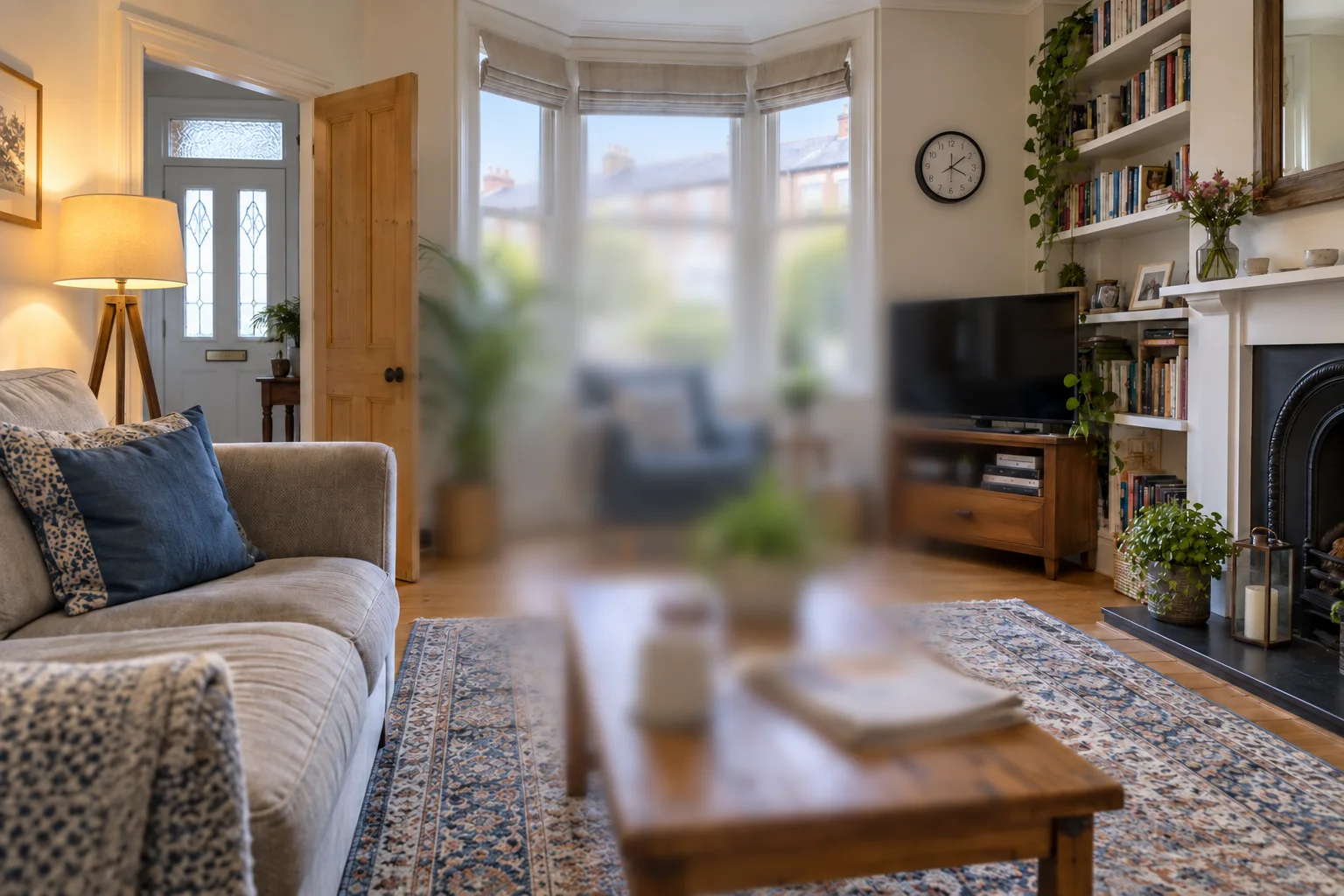
Illustration hidden. Reading a word or recognising a face uses detailed central vision. This picture suggests the kind of central-detail difficulty found in macular conditions.
These topics explain the parts of vision involved. They do not predict your sight, diagnose anything or show the condition itself.
Visual field
Finding a face and noticing the edge of a step make different demands on sight. One uses the centre of your view. The other uses the edges.
Open the visual field labLight and glare
Glare can be uncomfortable and can wash out detail. Where the light comes from matters as much as how much light there is.
Open the light and glare labColour
Colour helps you tell things apart. Clear labels and patterns make the same information readable without relying on colour.
Open the colour labContrast and detail
Sharp edges only help when they stand out from the background. Contrast, print size and blur each change how easy a task is.
Open the contrast and detail labEveryday support
Explore magnification, contrast and accessible technology. Ask your eye team about supplements and sun protection rather than starting products advertised as eye treatments.
A question to take to your appointment
How can I make reading easier, and what does my genetic result mean?Prepare your appointment checklist
Sources and review status
Sources checked 4 October 2026. Educational draft, not yet clinically reviewed. No clinician has endorsed this page. Follow the advice of your own eye-care team.
How this content is prepared