A sudden change in your sight needs urgent advice. See who to contact

Rods and cones

The retina turns light into signals. Rods and cones do different jobs, and the order in which they are affected explains some condition names.

Lighting

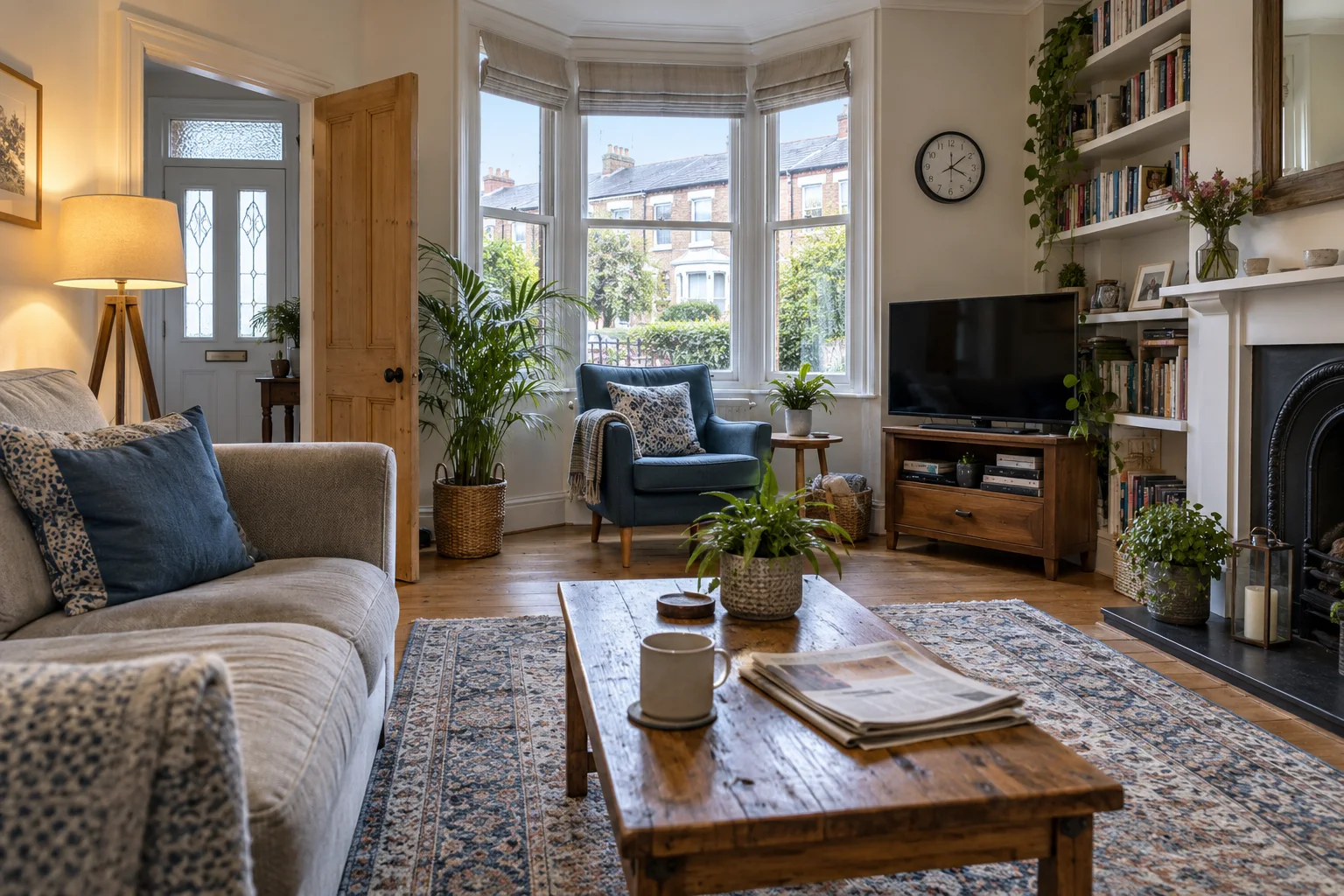
Look for fine detail on the shelves and the larger shapes around the door. Your screen shows an illustration. This cannot test your night vision or reproduce dark adaptation.

A UK living room with a sofa, shelves and a bay window in daylight
Daylight: colour and fine detail are easy to find.

Room illustration hidden. The explanation below still applies.

Cones: colour and fine detail

Cones work best in brighter light. They are packed into the centre of the retina, especially the fovea, and they handle detailed central vision and colour. Rods and cones are not an on-off switch. Their contributions change with the lighting.

Rods affected first

In many forms of retinitis pigmentosa, rod function changes before cone function. Trouble in dim light and changes to side vision often come before problems with central detail. The pattern and the pace vary.

Read about retinitis pigmentosa

Cones affected first

Cone-rod dystrophy usually affects cone function first. Central detail, colour and comfort in bright light change early. Rod involvement can later affect dim-light and side vision.

Read about cone-rod dystrophy

Reading settings

Change how pages look. Your choices stay on this device.

Page layout

Written explanations stay available when demonstrations are hidden. Browser zoom works as well. Nothing on the site moves or flashes on its own.